The 60-Second Version
Carbon credits are rapidly emerging as a new and distinct asset class, transforming the way we think about climate action and financial returns. At its core, a carbon credit is a tradable permit that allows the holder to emit one metric ton of carbon dioxide or its equivalent in other greenhouse gases. The market is broadly divided into two segments: the compliance market, a ~$900 billion behemoth driven by government regulations, and the much smaller but rapidly growing voluntary market, currently valued at around $2 billion. The investment case for carbon credits is compelling. As governments and corporations worldwide commit to ambitious net-zero targets, the demand for carbon credits is set to explode. This surge in demand, coupled with a finite supply of high-quality credits, is creating a significant price appreciation potential. State Street has even gone as far as calling carbon a ‘strategic alternative to gold,’ highlighting its potential as a portfolio diversifier and a hedge against inflation. However, the market is not without its challenges. The “quality problem” of junk credits, the lack of standardized regulations, and the ongoing debate about the environmental integrity of some projects are all significant risks that investors need to navigate. This article will provide a comprehensive deep dive into the world of carbon credit investing, exploring the market dynamics, the key players, the investment opportunities, and the risks involved. We will equip you with the knowledge and frameworks you need to understand this complex and rapidly evolving asset class, and to make informed investment decisions.
I. What Carbon Credit Investing Actually Is
Investing in carbon credits means you are essentially buying a claim on a verified reduction or removal of greenhouse gas emissions. It’s a way to put a price on pollution and create a financial incentive for companies and projects to decarbonize. When you buy a carbon credit, you are not buying a physical commodity like gold or oil. Instead, you are purchasing an intangible asset that represents a specific environmental benefit. The returns from carbon credit investing can be generated in two primary ways. In the compliance markets, such as the EU Emissions Trading System (ETS) or California’s Cap-and-Trade program, the price of carbon allowances is driven by the interplay of supply and demand within a regulated cap. As the cap on emissions tightens over time, the scarcity of allowances increases, leading to price appreciation. In the voluntary markets, the returns are driven by the growing demand from corporations that are voluntarily looking to offset their emissions to meet their sustainability goals. The price of these credits is determined by a variety of factors, including the type of project that generated the credit (e.g., reforestation, renewable energy, or carbon capture), its location, and its social and environmental co-benefits.
It is crucial to understand the distinction between two main types of carbon credits: allowances and offsets. An allowance, also known as a permit, is an authorization to emit a certain amount of greenhouse gases. These are typically issued by governments in compliance markets. An offset, on the other hand, is a credit that is generated by a project that reduces or removes greenhouse gas emissions. These are the primary currency of the voluntary market. For an offset to be credible, it must be additional, meaning that the emissions reduction would not have happened without the carbon credit project. It must also be permanent, meaning that the emissions reduction is not reversible. For example, a reforestation project must be protected from deforestation to ensure that the carbon stored in the trees is not released back into the atmosphere.
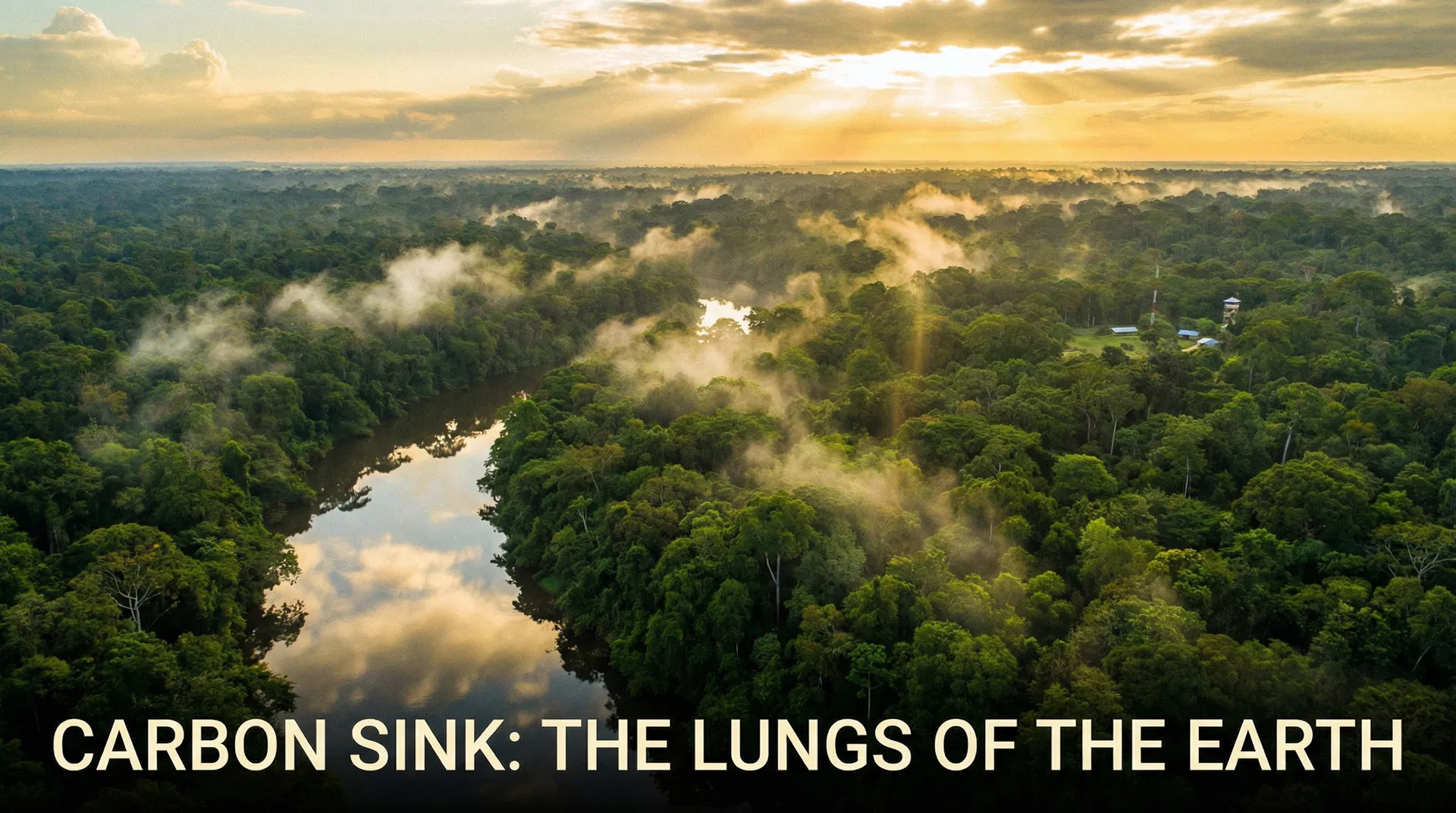
II. The Market
The global carbon market is a tale of two cities. On one hand, you have the established and highly liquid compliance markets, which are valued at a staggering $897 billion in 2023, according to the London Stock Exchange Group. The EU ETS is the undisputed king of this market, accounting for the lion’s share of the total value. On the other hand, you have the voluntary carbon market, which is much smaller, at around $2 billion in 2023, but is growing at a breakneck pace. According to a report by Ecosystem Marketplace, the voluntary carbon market is projected to reach anywhere from $10 billion to $40 billion by 2030. This growth is being fueled by the explosion of corporate net-zero commitments and the increasing pressure on companies to take responsibility for their carbon footprint.
The history of the carbon market is a fascinating story of how a novel idea for environmental protection has evolved into a global financial market. The concept of emissions trading was first proposed in the 1960s as a way to address air pollution, but it wasn’t until the 1990s that it gained traction as a tool for climate action. The 1997 Kyoto Protocol was a landmark agreement that established the first international framework for emissions trading and created the Clean Development Mechanism (CDM), which allowed developed countries to invest in emissions-reducing projects in developing countries and receive carbon credits in return. The CDM was a pioneering initiative, but it was also plagued by problems, including concerns about the quality and additionality of its projects. The lessons learned from the CDM have been instrumental in shaping the development of the modern carbon market.
Key Milestones in the Carbon Market
| Year | Milestone | Significance |
|---|---|---|
| 1997 | Kyoto Protocol | Established the first international framework for emissions trading and created the Clean Development Mechanism (CDM), which allowed developed countries to invest in emissions-reducing projects in developing countries and receive carbon credits in return. |
| 2005 | EU Emissions Trading System (ETS) Launch | The world's first and largest carbon market, covering more than 11,000 power stations and industrial plants in 31 countries. It has become the benchmark for carbon pricing around the world. |
| 2013 | California Cap-and-Trade Program Launch | The second-largest carbon market in the world, covering a wide range of industries, including electricity generation, transportation, and manufacturing. |
| 2015 | Paris Agreement | A landmark international agreement that set a goal of limiting global warming to well below 2 degrees Celsius and established a framework for international cooperation on climate action, including the use of carbon markets. |
| 2021 | COP26 (Glasgow) | Finalized the rulebook for Article 6 of the Paris Agreement, which provides a framework for countries to trade carbon credits with each other. This is expected to create a more integrated and efficient global carbon market. |
IV. The Demand Drivers
The explosive growth of the carbon market is not a fleeting trend; it’s underpinned by a confluence of powerful and enduring demand drivers. These forces are creating a structural shift in the way we value and manage carbon emissions, and they are set to propel the market to new heights in the coming years.
- •
Regulatory Imperatives: The most significant driver of demand for carbon credits comes from the compliance markets, where governments are putting a hard cap on emissions. The “cap-and-trade” systems, such as the EU ETS and California’s program, force companies in carbon-intensive industries to either reduce their emissions or buy allowances to cover their excess pollution. As these caps become more stringent over time, the demand for allowances will inevitably increase, driving up their price. The expansion of carbon pricing schemes to new jurisdictions and sectors will further amplify this demand.
- •
The Corporate Net-Zero Movement: The voluntary carbon market is being fueled by a tidal wave of corporate climate commitments. Thousands of companies, from tech giants like Microsoft and Google to consumer brands like Nike and Unilever, have pledged to achieve net-zero emissions. These commitments are not just empty promises; they are backed by concrete action plans that often involve the purchase of carbon credits to offset emissions that are difficult to eliminate. According to the Science Based Targets initiative (SBTi), the number of companies with validated science-based targets has been growing exponentially, and this trend is expected to continue.
- •
Investor Pressure and Climate-Related Financial Risk: The financial community is waking up to the reality of climate change. Investors are increasingly recognizing that climate-related risks, such as carbon taxes, regulatory changes, and physical impacts, can have a material impact on their portfolios. As a result, they are putting pressure on companies to disclose and manage their climate-related risks. This includes demanding that companies set ambitious emissions reduction targets and use carbon credits as part of their climate strategy. The Task Force on Climate-Related Financial Disclosures (TCFD) has become the gold standard for climate-related financial reporting, and its recommendations are being adopted by a growing number of companies and regulators.
- •
Consumer and Employee Activism: The demand for climate action is not just coming from the top down; it’s also coming from the bottom up. Consumers are increasingly choosing to buy from brands that are environmentally responsible, and employees are more likely to work for companies that share their values. This is creating a powerful incentive for companies to take climate action, including investing in carbon credits, to enhance their brand reputation and attract and retain talent.
V. The Players
The carbon market is a complex ecosystem with a diverse cast of players, each with their own role to play. Understanding the motivations and interactions of these players is crucial to navigating this emerging asset class.
| Player | Type | AUM/Scale | Notable Examples |
|---|---|---|---|
| Regulators | Government Bodies | N/A | European Commission, California Air Resources Board (CARB), UNFCCC |
| Project Developers | Companies | Varies | South Pole, 3Degrees, NativeEnergy |
| Verification & Certification Bodies | Non-profit Organizations | N/A | Verra, Gold Standard, American Carbon Registry (ACR) |
| Trading Platforms & Exchanges | Financial Marketplaces | Varies | Xpansiv, CBL, AirCarbon Exchange, Intercontinental Exchange (ICE) |
| Investors | Financial Institutions | Varies | Carbon Growth Partners, KraneShares, BlackRock |
| Corporate Buyers | Corporations | Varies | Microsoft, Delta Air Lines, Gucci, Shell |
VI. Geography
The carbon market is a global phenomenon, but its landscape is far from uniform. The market is characterized by a distinct geographical divide between the compliance and voluntary markets, each with its own unique dynamics and regional concentrations.
Compliance Markets
The compliance carbon markets are geographically concentrated in the developed world, where governments have implemented legally binding emissions reduction targets. The two most significant compliance markets are:
- •The European Union Emissions Trading System (EU ETS): The EU ETS is the largest carbon market in the world, covering more than 11,000 power stations and industrial plants across 31 countries. It is a mature and liquid market that has been in operation since 2005.
- •North America: The North American carbon market is a patchwork of regional and sectoral programs. The most important of these is the California Cap-and-Trade Program, which is the second-largest carbon market in the world. Other notable programs include the Regional Greenhouse Gas Initiative (RGGI), a cap-and-trade system for the power sector in the northeastern United States, and Canada’s federal carbon pricing system.
Voluntary Markets
In contrast to the compliance markets, the voluntary carbon market is truly global in scope. Carbon projects can be found in almost every corner of the world, from the rainforests of the Amazon to the grasslands of Africa. However, there is a clear concentration of projects in the developing world, where the cost of implementing emissions reduction projects is often lower. According to Ecosystem Marketplace, Latin America and Asia are the two largest sources of voluntary carbon credits, accounting for a significant portion of the total market supply.
VII. How to Actually Invest
For investors looking to gain exposure to the carbon market, there is a growing menu of options to choose from. Each investment vehicle offers a different risk-reward profile, and the right choice will depend on your investment objectives, risk tolerance, and time horizon.
| Vehicle | Minimum Investment | Liquidity | Expected Return | Risk Level |
|---|---|---|---|---|
| Direct Investment in Projects | High | Low | High | High |
| Carbon Credit Funds | Medium | Medium | Medium-High | Medium-High |
| Futures and Options | Low | High | High | High |
| ETFs and ETPs | Low | High | Medium | Medium |
- •
Direct Investment in Projects: This is the most direct way to invest in the carbon market, but it is also the riskiest. It involves providing upfront financing to a carbon project in exchange for a share of the carbon credits that it generates. This approach offers the potential for high returns, but it also exposes investors to project-specific risks, such as construction delays, operational problems, and regulatory changes.
- •
Carbon Credit Funds: For investors who want a more diversified and professionally managed approach, carbon credit funds are an attractive option. These funds pool capital from multiple investors to invest in a portfolio of carbon projects. This diversification helps to mitigate project-specific risks, and the fund manager’s expertise can help to identify high-quality investment opportunities.
- •
Futures and Options: For more sophisticated investors, futures and options contracts on carbon allowances and credits are available on exchanges like the Intercontinental Exchange (ICE). These derivatives allow investors to speculate on the future price of carbon and to hedge their exposure to carbon price volatility. However, they are complex and highly leveraged instruments that are not suitable for all investors.
- •
ETFs and ETPs: A growing number of exchange-traded funds (ETFs) and exchange-traded products (ETPs) provide investors with an easy and liquid way to gain exposure to the carbon market. These products typically track the price of carbon allowances in the compliance markets, such as the EU ETS or the California market. They offer a convenient and low-cost way to invest in carbon, but they may not provide the same level of exposure to the high-growth voluntary market.
VIII. Unit Economics
To truly understand the investment case for carbon credits, it’s essential to delve into the unit economics of the asset class. The price of a single carbon credit can vary dramatically, from less than $1 to over $1,000, depending on a multitude of factors.
Compliance Market
In the compliance markets, the price of a carbon allowance is primarily determined by the forces of supply and demand within a closed system. The “cap” on emissions creates a scarcity of allowances, and the price is set by the marginal cost of abatement for the companies covered by the scheme. In the EU ETS, for example, the price of an allowance has fluctuated from as low as €5 in the early years to over €100 in 2023. This price volatility is driven by a variety of factors, including economic activity, energy prices, and regulatory changes.
Voluntary Market
In the voluntary market, the pricing of carbon credits is much more complex and nuanced. There is no single market price for a voluntary carbon credit; instead, the price is determined by a range of factors, including:
- •Project Type: The type of project that generates the credit is a key determinant of its price. Credits from technology-based carbon removal projects, such as direct air capture, command a significant premium over credits from nature-based projects, such as reforestation.
- •Location: The location of the project can also have an impact on the price of its credits. Projects in developed countries with strong legal and regulatory frameworks tend to be more expensive than projects in developing countries.
- •Co-benefits: Carbon projects can generate a wide range of social and environmental co-benefits, such as biodiversity conservation, poverty reduction, and improved public health. Credits from projects with strong co-benefits are often more attractive to buyers and can command a higher price.
- •Vintage: The vintage of a credit, which is the year in which the emissions reduction or removal took place, can also affect its price. Older vintages are often cheaper than more recent vintages, as they are perceived to be of lower quality.
IX. Macroeconomic Sensitivity
Like any other asset class, the carbon market is not immune to the ups and downs of the global economy. The performance of carbon credits can be influenced by a variety of macroeconomic factors, and understanding these sensitivities is crucial for managing risk and identifying investment opportunities.
| Macroeconomic Regime | Impact on Carbon Markets | Historical Example |
|---|---|---|
| High Economic Growth | Increased demand for carbon credits due to higher industrial production and energy consumption. | The post-GFC recovery saw a rise in carbon prices in the EU ETS as industrial activity picked up. |
| Recession | Decreased demand for carbon credits as industrial activity slows down and emissions fall. | The 2008 financial crisis led to a collapse in carbon prices as the demand for allowances plummeted. |
| High Inflation | Mixed impact. Higher energy prices can incentivize a shift to renewables, reducing demand for credits. However, carbon credits can also be seen as an inflation hedge. | The recent surge in inflation has been accompanied by a rise in carbon prices, but the relationship is complex and not fully understood. |
| Rising Interest Rates | Increased cost of capital for carbon projects, potentially reducing the supply of new credits. | The current cycle of interest rate hikes could make it more expensive to finance new carbon removal technologies. |
X. Tax Considerations: A Global Overview
The tax treatment of carbon credits is a complex and evolving area of law. As the carbon market matures, governments around the world are grappling with how to tax this new asset class. The rules can vary significantly from one jurisdiction to another, and investors need to be aware of the potential tax implications of their carbon credit investments.
| Jurisdiction | Tax Treatment of Carbon Credits |
|---|---|
| United States | The IRS has not yet issued specific guidance on the tax treatment of carbon credits. However, it is generally believed that they should be treated as intangible assets. The sale of carbon credits would likely be subject to capital gains tax. |
| United Kingdom | The UK government has confirmed that carbon credits are subject to capital gains tax. The tax treatment of carbon credits held by businesses will depend on the specific circumstances. |
| European Union | The tax treatment of carbon credits varies from one member state to another. Some countries, such as Germany, have specific rules for the taxation of carbon credits, while others do not. |
| Singapore | Singapore does not have a capital gains tax, so the sale of carbon credits by individuals is not subject to tax. However, companies that trade in carbon credits may be subject to income tax on their profits. |
| UAE | The UAE does not have a federal income tax, so the sale of carbon credits is generally not subject to tax. However, some free zones may have their own tax rules. |
| Australia | The Australian government has introduced a specific tax regime for carbon credits. The sale of carbon credits is generally subject to income tax, but there are some exemptions for small-scale projects. |
XI. Case Studies
To bring the abstract concepts of the carbon market to life, let’s look at a few real-world case studies of how companies are using and investing in carbon credits.
Case Study 1: Tesla - The King of Carbon Credits
Tesla is not just a car company; it’s also a major player in the carbon credit market. The company generates hundreds of millions of dollars in revenue each year from selling regulatory credits to other automakers that are not able to meet their emissions targets. In 2023 alone, Tesla earned $1.79 billion from the sale of these credits. This has been a significant source of profit for the company and has helped to fund its rapid growth. However, Tesla’s reliance on carbon credit revenue is also a risk, as the value of these credits could decline as other automakers ramp up their own electric vehicle production.
Case Study 2: Delta Air Lines - Flying Towards Carbon Neutrality
Delta Air Lines is one of the largest airlines in the world, and it has set an ambitious goal of becoming carbon neutral by 2050. To achieve this goal, the company is investing in a variety of emissions reduction measures, including more fuel-efficient aircraft and sustainable aviation fuels. However, Delta has also acknowledged that it will need to use carbon offsets to address its residual emissions. The company has invested in a portfolio of carbon offset projects around the world, including reforestation projects in the United States and renewable energy projects in India. Delta’s commitment to carbon neutrality is a powerful example of how the aviation industry is embracing the carbon market to address its climate impact.
Case Study 3: Microsoft - The Quest for Carbon Negative
Microsoft has set one of the most ambitious climate goals of any company in the world: to be carbon negative by 2030. This means that the company will remove more carbon from the atmosphere than it emits. To achieve this goal, Microsoft is investing in a portfolio of carbon removal technologies, including direct air capture, bioenergy with carbon capture and storage, and afforestation. The company has also committed to investing $1 billion in its Climate Innovation Fund to support the development of new carbon removal technologies. Microsoft’s bold approach is helping to create a market for high-quality carbon removal credits and is paving the way for other companies to follow suit.
XII. The Core Constraint
The single biggest structural challenge facing the carbon market today is the lack of a universally accepted standard for what constitutes a high-quality carbon credit. This has led to a fragmented and often confusing market, where it can be difficult for buyers to distinguish between high-quality credits that represent real and permanent emissions reductions and low-quality or “junk” credits that have little or no environmental integrity. The lack of a clear and consistent quality standard has created a number of problems for the market, including:
- •Price Opacity: The lack of a standardized quality benchmark makes it difficult to compare the prices of different carbon credits and to establish a clear market price.
- •Reputational Risk: Companies that buy low-quality carbon credits can be accused of “greenwashing” and can suffer significant reputational damage.
- •Market Fragmentation: The proliferation of different standards and methodologies has created a fragmented market, which can be difficult for new entrants to navigate.
Fortunately, there are a number of initiatives underway to address this challenge. The Integrity Council for the Voluntary Carbon Market (ICVCM) is developing a set of Core Carbon Principles (CCPs) that are intended to provide a global benchmark for high-quality carbon credits. The CCPs are expected to be finalized in 2023 and could help to bring much-needed clarity and consistency to the market.
XIII. Inside the Asset
So, what does a carbon credit actually look like? Unlike a bar of gold or a barrel of oil, a carbon credit is an intangible asset. You can’t hold it in your hand or store it in a vault. But that doesn’t mean it’s not real. A carbon credit is a digital entry in a registry, a unique serial number that represents a verified reduction or removal of one metric ton of carbon dioxide from the atmosphere. But behind that digital entry is a tangible, real-world project that is making a difference to the planet.
Imagine a vast expanse of newly planted forest in the Scottish Highlands, its young saplings reaching for the sky. Each of those trees is a tiny carbon-sucking machine, and the carbon they absorb is quantified, verified, and transformed into carbon credits. Or picture a sprawling solar farm in the heart of the Sahara Desert, its panels glistening in the sun. The clean energy it produces displaces electricity from fossil fuel power plants, and the emissions that are avoided are turned into carbon credits. Or, for a more futuristic vision, imagine a direct air capture facility in Iceland, its giant fans pulling carbon dioxide directly out of the ambient air. The captured carbon is then injected deep underground, where it is permanently stored. These are the real-world assets that underpin the carbon market, and they are as diverse and as innovative as the human imagination.
XIV. The Central Dilemma
The carbon market is not without its controversies, and at the heart of the debate is a central dilemma: are carbon credits a legitimate tool for climate action, or are they simply a license to pollute? Critics of the carbon market argue that it allows companies to continue emitting greenhouse gases while claiming to be environmentally responsible. They argue that the focus should be on reducing emissions at the source, not on offsetting them with carbon credits. They also point to the fact that many carbon offset projects have been found to be ineffective, and that some have even had negative social and environmental impacts.
Proponents of the carbon market, on the other hand, argue that it is a vital tool for mobilizing private sector finance for climate action. They argue that it is not always possible for companies to eliminate all of their emissions, and that carbon credits provide a way to address these residual emissions. They also point to the fact that the carbon market can be a powerful driver of innovation, as it creates a financial incentive for the development of new clean technologies. The truth, as is often the case, lies somewhere in the middle. Carbon credits are not a silver bullet for climate change, but they can be a useful tool when they are used as part of a comprehensive climate strategy that prioritizes emissions reductions.
XV. The Next Frontier
The carbon market is still in its infancy, and it is constantly evolving. The next frontier of the market is likely to be shaped by a number of emerging trends and opportunities.
- •
Technology-Based Carbon Removal: The development of new technologies for removing carbon dioxide directly from the atmosphere, such as direct air capture (DAC) and bioenergy with carbon capture and storage (BECCS), is set to revolutionize the carbon market. These technologies have the potential to generate high-quality, permanent carbon removal credits that could command a significant premium over traditional offset credits.
- •
Nature-Based Solutions: There is a growing recognition of the importance of nature-based solutions for climate change, such as reforestation, afforestation, and soil carbon sequestration. These projects not only remove carbon from the atmosphere, but they also provide a wide range of co-benefits, such as biodiversity conservation and improved water quality.
- •
Blockchain and Tokenization: Blockchain technology has the potential to bring much-needed transparency and efficiency to the carbon market. By creating a decentralized and immutable record of carbon credit transactions, blockchain could help to address the problem of double-counting and improve the overall integrity of the market.
- •
The Rise of the Individual Investor: As the carbon market becomes more accessible, we are likely to see a growing number of individual investors entering the market. This could help to democratize the market and provide a new source of capital for carbon projects.
XVI. The Risks
While the carbon market offers a compelling investment opportunity, it is not without its risks. Investors need to be aware of the potential pitfalls and take steps to mitigate them. Some of the key risks to consider include:
- •
Regulatory Risk: The carbon market is highly dependent on government policy. Changes in regulations, such as a weakening of emissions reduction targets or the introduction of a carbon tax, could have a significant impact on the price of carbon credits.
- •
Price Volatility: Carbon prices can be highly volatile, as we have seen in the EU ETS. This volatility is driven by a variety of factors, including economic activity, energy prices, and weather patterns.
- •
Project Failure: Carbon projects can fail to deliver the expected emissions reductions due to a variety of factors, such as natural disasters, operational problems, and poor management. This can result in a loss of investment and can damage the reputation of the project developer and its investors.
- •
Lack of Standardization: The lack of a universally accepted standard for what constitutes a high-quality carbon credit makes it difficult for buyers to assess the quality of different credits and can lead to price opacity and market fragmentation.
- •
Reputational Risk: Companies that use low-quality carbon credits can be accused of “greenwashing” and can suffer significant reputational damage. This is a particular risk in the voluntary market, where there is less regulatory oversight.
XVII. The Alternative Fortune Verdict
Carbon credits are no longer a niche or experimental asset class. They are rapidly becoming a mainstream investment, driven by the powerful tailwinds of regulatory action and corporate climate commitments. The investment case for carbon is compelling, but it is not a one-way bet. The market is still young and is facing a number of significant challenges, including the lack of a clear quality standard and the ongoing debate about the environmental integrity of some projects.
For investors who are willing to do their homework and take a long-term view, the carbon market offers the potential for both attractive financial returns and a positive environmental impact. However, it is not a market for the faint of heart. Investors need to be prepared for volatility and to carefully assess the risks before they invest.
Due Diligence Questions for Investors
Before you invest in any carbon credit project or fund, you should ask the following questions:
- •What is the quality of the carbon credits? Are they verified by a reputable third-party standard, such as Verra or Gold Standard? Do they represent real, permanent, and additional emissions reductions?
- •What is the track record of the project developer? Do they have a history of successfully delivering high-quality carbon projects?
- •What are the risks of the project? Is it located in a politically stable country? Is it vulnerable to natural disasters? What is the risk of the emissions reductions being reversed?
- •What are the co-benefits of the project? Does it support biodiversity conservation? Does it create jobs for local communities? Does it improve public health?
- •What is the price of the carbon credits? Is it competitive with other similar credits in the market? Is it justified by the quality and co-benefits of the project?