For decades, the world of collectible spirits has been a one-horse race. Single malt Scotch has reigned supreme, a seemingly unassailable king on a throne of peat and prestige. But in the sun-drenched islands of the Caribbean, a quiet revolution has been brewing. A spirit with a history as rich, a production process as complex, and a flavor profile as diverse as any whisky is finally stepping into the spotlight. That spirit is rum.
This is not the rum of your college days, the fiery, unsophisticated spirit drowned in a sea of cola. This is aged rum, a spirit of nuance and complexity, a liquid that speaks of its tropical origins, of the hands that crafted it, and of the long, slow passage of time. And, for a growing number of savvy investors, it is the next great frontier in the world of alternative assets.
This article is your guide to this emerging market. We will take you inside the world of collectible rum, from the hallowed halls of the most respected distilleries to the digital auction rooms where fortunes are being made. We will explore the key drivers of this burgeoning market, introduce you to the major players, and provide you with a framework for making informed investment decisions. We will also delve into the risks and challenges of this young market, and we will offer our verdict on whether rum truly has what it takes to be the “next whisky.”
So, pour yourself a dram of your finest aged rum, settle in, and prepare to discover a world of liquid history, sensory pleasure, and untapped investment potential.
The 60-Second Version
Rum, once the spirit of pirates and sailors, is undergoing a quiet revolution. While whisky has long dominated the world of collectible spirits, a new contender is emerging from the Caribbean: aged rum. The luxury rum market, valued at $1.78 billion in 2025, is projected to more than double to over $3.5 billion by 2034, signaling a seismic shift in the alternative investment landscape. This isn’t your standard beach bar mixer; we’re talking about rare, aged expressions from legendary distilleries, bottles that are increasingly seen as a store of value and a source of significant returns.
Driving this boom is a confluence of factors: a growing connoisseurship culture, a thirst for authenticity, and a search for the “next big thing” in a crowded collectibles market. Platforms like RumX are creating a transparent and accessible secondary market, while a new generation of discerning drinkers is discovering the complexity and diversity of aged rum. The story of rum is a story of terroir, of pot stills versus column stills, of honest age statements versus the misleading “Solera” system. It’s a world of legendary distilleries like the independent Foursquare in Barbados, the high-ester Hampden Estate in Jamaica, and the ghost distillery Caroni from Trinidad, whose finite stocks are the stuff of auction-house legend. For investors who understand these nuances, the emerging rum market offers a compelling opportunity to get in on the ground floor of a trend with the potential for explosive growth. This is more than just a drink; it’s a liquid asset class coming of age.
I. What Rum Investing Actually Is
Investing in rum, in the context of this discussion, is not about buying a few bottles of your favorite brand to enjoy on a rainy day. It is the strategic acquisition of specific, often rare and limited-edition, bottles of aged rum with the primary goal of capital appreciation. The investment thesis is simple: to buy and hold these bottles, much like one would a fine wine, a piece of art, or a classic car, with the expectation that their value will increase over time due to their scarcity, quality, and historical significance. Returns are generated when these bottles are sold on the secondary market, typically through auction houses or specialized online platforms, for a price higher than the initial purchase price.
What you are actually buying is not just a spirit, but a piece of history, a work of liquid art from a specific time and place. The value of a collectible rum is a function of several factors:
- •Distillery: Rums from highly respected or “cult” distilleries, especially those with a reputation for quality and transparency, are more likely to appreciate in value. This includes distilleries like Foursquare, Hampden, and the now-closed Caroni.
- •Rarity: Limited releases, single-cask bottlings, and rums from closed distilleries are inherently scarce, which is a primary driver of value. The finite supply of Caroni rum, for example, is a major reason for its astronomical prices.
- •Age: While the “age statement game” can be misleading, a genuine, high age statement from a reputable producer is a significant value driver. The complexity and character that come with long, tropical aging are highly prized.
- •Provenance and Condition: As with any collectible, the history of ownership and the condition of the bottle, including the label and the fill level, are crucial. A well-preserved bottle with a clear ownership history will always command a premium.
In essence, rum investing is a bet on the growing recognition of aged rum as a world-class spirit on par with single malt Scotch or Grand Cru Burgundy. It is a niche but expanding corner of the alternative investment world, offering the potential for significant returns for those with the knowledge and patience to navigate its complexities. The returns are not just financial; for many, the “in-kind dividend” of being able to drink and share a rare and exquisite spirit is a significant part of the appeal. However, from a purely financial perspective, the goal is to identify and acquire those bottles that are most likely to benefit from the powerful tailwinds of scarcity, quality, and growing global demand.
II. The Market
The market for collectible rum is a small but rapidly growing segment of the broader global spirits market. While it has historically been overshadowed by the much larger and more established market for collectible whisky, the dynamics are shifting. A new wave of interest from both connoisseurs and investors is fueling a period of unprecedented growth and price appreciation.
The luxury rum market, which includes the high-end and collectible segment, was valued at approximately $1.78 billion in 2025. According to industry projections, this figure is expected to more than double, reaching over $3.5 billion by 2034, representing a compound annual growth rate (CAGR) of over 8%. This growth is significantly outpacing the broader rum market, which is growing at a more modest 4-6% CAGR. This indicates a clear trend towards premiumization, with consumers and investors alike willing to pay a premium for quality, rarity, and provenance. The growth is not just in value, but also in volume, as more consumers are trading up from standard rums to more premium expressions. This shift is being driven by a number of factors, including rising disposable incomes in emerging markets, a growing cocktail culture that is putting a new emphasis on high-quality spirits, and the increasing availability of premium rums in both online and brick-and-mortar retail channels.
Here are some key milestones in the development of the collectible rum market:
| Year | Milestone | Significance |
|---|---|---|
| 1749 | Appleton Estate is established in Jamaica. | The oldest continuously operating distillery in Jamaica, laying the groundwork for centuries of rum production and heritage. |
| 1918 | Caroni Distillery is founded in Trinidad. | The birth of a distillery that would, after its closure, become one of the most legendary and collectible rums in the world. |
| 1996 | Foursquare Distillery is upgraded by Richard Seale. | The beginning of a new era for Barbadian rum, with a focus on quality, transparency, and innovation that would make Foursquare a benchmark for modern rum. |
| 2002 | The Trinidad government closes Caroni Distillery. | The end of an era, but the beginning of a legend. The finite supply of Caroni rum becomes a key driver of its collectible status. |
| 2004 | Luca Gargano of Velier discovers the remaining stocks of Caroni rum. | This discovery and the subsequent bottlings by Velier are instrumental in creating the cult of Caroni and igniting the modern rum collecting boom. |
| 2012 | The first independent bottlings of Foursquare's Exceptional Cask Selection are released. | This marks a turning point for Foursquare, establishing the ECS as a highly sought-after series for collectors and connoisseurs. |
| 2022 | RumX surpasses €50 million in user-managed portfolios. | A clear indicator of the growing investment interest in rum and the importance of online platforms in creating a transparent secondary market. |
| 2025 | RumX introduces live auctions. | The platform's evolution into a full-fledged auction house further legitimizes rum as a collectible asset class and provides a dedicated venue for high-value transactions. |
III. The Demand Drivers
The surge in demand for collectible rum is not a fleeting trend but is underpinned by several powerful and sustainable drivers. These factors are transforming the perception of rum from a simple cocktail ingredient to a complex and sophisticated spirit worthy of investment. This is not merely a case of a rising tide lifting all boats; it is a fundamental reassessment of the category, driven by a new generation of consumers and investors who are looking beyond the traditional categories of collectible assets. The rum market is, in many ways, following a path that has been well-trodden by other alternative asset classes, from fine art and classic cars to vintage watches and, most pertinently, rare whisky. However, it also has its own unique set of drivers that make it a particularly compelling story for the 2020s.
- •
The “Whisky Effect” and the Search for the Next Frontier: The market for collectible single malt Scotch has seen an extraordinary boom over the past two decades, with the most sought-after bottles fetching hundreds of thousands, or even millions, of dollars at auction. This has, on the one hand, priced out many aspiring collectors and, on the other, created a blueprint for how a spirit category can evolve into a full-fledged alternative asset class. Many investors who have seen the returns generated by whisky are now looking for the “next whisky” – a category with similar characteristics (age, rarity, provenance) but at an earlier stage of its growth cycle. Aged rum fits this profile perfectly. It offers a similar level of complexity and heritage but at a fraction of the price, providing a more accessible entry point for new investors.
- •
The Rise of Connoisseurship and the Quest for Authenticity: In an age of mass production, there is a growing consumer demand for products with a story, a sense of place, and a commitment to craftsmanship. This is a trend that has swept through the worlds of coffee, chocolate, and craft beer, and it is now transforming the spirits industry. A new generation of drinkers is no longer content with bland, mass-market products. They are seeking out authentic, unadulterated spirits that reflect the unique character of their origin. This has led to a rejection of rums with added sugar, artificial flavors, and misleading age statements, and a celebration of producers like Foursquare and Hampden who are champions of transparency and traditional production methods. This growing connoisseurship is creating a more educated and discerning consumer base, which is, in turn, driving demand for high-quality, authentic rums.
- •
The Emergence of a Transparent Secondary Market: The development of online platforms like RumX has been a game-changer for the collectible rum market. In the past, the secondary market for rum was opaque and fragmented, making it difficult for collectors to track prices, verify authenticity, and transact with confidence. RumX and other similar platforms have created a centralized and transparent marketplace, providing a wealth of data on auction results, bottle valuations, and distillery trends. This has not only made the market more accessible to a wider audience but has also given investors the confidence to enter the market, knowing that they have access to reliable data and a liquid secondary market where they can eventually sell their holdings.
- •
The Allure of the “Ghost” Distillery: The closure of a distillery, while a loss for the industry, can be a powerful catalyst for the collector market. The finite and dwindling supply of rum from a “ghost” distillery like Caroni creates a powerful sense of urgency and a one-way bet on price appreciation. As the remaining stocks are consumed, the rarity of the remaining bottles increases, driving prices ever higher. The story of Caroni is a powerful example of this phenomenon, and it has inspired a new generation of collectors to seek out other rare and discontinued rums in the hope of capturing similar returns.
IV. The Players
The world of collectible rum is populated by a diverse cast of characters, from historic distilleries and independent bottlers to online platforms and auction houses. Understanding the key players is essential to navigating this complex and evolving market.
| Name | Type | AUM/Scale | Notable |
|---|---|---|---|
| Foursquare | Distillery (Barbados) | N/A | Led by Richard Seale, a champion of transparency and quality. Their Exceptional Cask Selections are highly sought-after. |
| Hampden Estate | Distillery (Jamaica) | N/A | Famous for its high-ester, "funky" rums. One of the oldest distilleries in Jamaica, with a cult-like following. |
| Appleton Estate | Distillery (Jamaica) | N/A | The oldest distillery in Jamaica, known for its aged expressions and the pioneering work of Master Blender Joy Spence. |
| Caroni | Closed Distillery (Trinidad) | Finite | The ultimate "ghost" distillery. Its heavy, industrial-style rum is legendary, and its finite stocks command huge prices. |
| Velier | Independent Bottler | N/A | Led by Luca Gargano, Velier is responsible for discovering and bottling the remaining stocks of Caroni, and for championing many other high-quality rums. |
| RumX | Online Platform | >€50M in user portfolios | The leading online platform for rum collectors, offering a database of over 25,000 rums, auction tracking, and a secondary market. |
| Catawiki | Auction House | N/A | A major online auction platform that has a dedicated section for rare and collectible rums. |
| RhumAuction.com | Auction House | N/A | A specialized online auction house focused exclusively on rum, offering a curated selection of rare and vintage bottles. |
V. Geography
The world of rum is geographically diverse, with production spanning the globe. However, the heartland of collectible rum is undoubtedly the Caribbean, where the combination of history, climate, and tradition has created a unique and compelling terroir. The specific island of origin has a profound impact on the style and character of the rum, and understanding these regional differences is key to appreciating the nuances of the collector market.
| Region | Key Distilleries | Style | Significance |
|---|---|---|---|
| Barbados | Foursquare, Mount Gay | Elegant & Balanced | Often referred to as the birthplace of rum, Barbados is known for its elegant and balanced rums, which are typically a blend of pot and column still distillates. Foursquare is the undisputed king of Barbadian rum, and its commitment to quality and transparency has made it a benchmark for the entire industry. |
| Jamaica | Hampden Estate, Appleton Estate, Worthy Park | Funky & High-Ester | Jamaican rum is famous for its "funk," a distinctive and powerful flavor profile derived from the use of dunder and muck pits, extended fermentation, and 100% pot still distillation. Hampden is the standard-bearer for this style, while Appleton offers a more approachable but still complex expression of Jamaican rum. |
| Trinidad | Caroni (closed), Angostura | Heavy & Industrial | Trinidad was once home to the legendary Caroni distillery, which produced a heavy, industrial-style rum that has become one of the most sought-after collectibles in the world. The island's remaining major distillery, Angostura, produces a lighter style of rum. |
| Guyana | Demerara Distillers (El Dorado) | Rich & Complex | Guyana is home to the last remaining wooden pot stills in the world, which produce a rich and complex style of rum known as Demerara rum. El Dorado is the main brand, and its rare and aged expressions are highly prized by collectors. |
| Martinique & Guadeloupe | Rhum J.M, Neisson, Clément | Grassy & Agricole | The French Caribbean islands are known for their unique style of rum, known as "rhum agricole." This is made from fresh sugarcane juice rather than molasses, resulting in a grassy, vegetal, and often more challenging flavor profile. While a niche within a niche, the best examples of aged agricole are highly collectible. |
While the Caribbean is the epicenter of the collectible rum world, it is worth noting that high-quality, aged rums are also being produced in other parts of the world, including Central and South America, the United States, and even Asia. However, for the time being, the collector market remains firmly focused on the historic distilleries of the Caribbean. The concept of ‘terroir’, so central to the world of fine wine, is becoming increasingly important in the rum world. The unique combination of climate, soil, and tradition in each of these regions gives their rums a distinctive character that cannot be replicated elsewhere. For the discerning collector, understanding these geographical nuances is not just a matter of academic interest; it is a crucial tool for identifying value and making informed investment decisions.
VI. How to Actually Invest
Investing in rum is more accessible than ever before, but it still requires a degree of knowledge and a clear strategy. There are several ways to gain exposure to this emerging asset class, each with its own set of advantages and disadvantages.
| Vehicle | Min Investment | Liquidity | Expected Return | Risk Level |
|---|---|---|---|---|
| Buying Individual Bottles | Low to High | Low to Medium | High | High |
| Investing in a Rum Fund | High | Low | Medium to High | Medium |
| Buying Shares in a Distillery | High | Medium | Low to Medium | Medium |
| Investing in a Rum Cask | Very High | Very Low | High | Very High |
Buying Individual Bottles: This is the most common and direct way to invest in rum. It involves purchasing specific bottles from retailers, auction houses, or online platforms with the intention of holding them for capital appreciation. The minimum investment can be as low as a few hundred dollars for a promising new release, to tens of thousands of dollars for a rare bottle of Caroni. The main advantage of this approach is that you have complete control over your collection and the potential for very high returns. The main disadvantages are the high level of knowledge required, the low liquidity of the assets, and the risks of forgery and damage.
Investing in a Rum Fund: A growing number of specialized investment funds are emerging that focus on rare and collectible spirits, including rum. These funds pool capital from multiple investors to acquire a diversified portfolio of bottles and casks. The main advantage of this approach is that it provides instant diversification and access to the expertise of the fund managers. The main disadvantages are the high minimum investment (often in the tens of thousands of dollars), the high fees, and the lack of control over the underlying assets.
Buying Shares in a Distillery: For those with a larger risk appetite and a long-term investment horizon, it is sometimes possible to buy shares in a distillery. This is a less direct way to invest in the rum market, as the performance of the shares will be tied to the overall profitability of the distillery, not just the value of its aged stocks. The main advantage is the potential for capital appreciation and dividends. The main disadvantages are the high barrier to entry and the fact that most of the top distilleries are privately owned.
Investing in a Rum Cask: The ultimate investment for the serious rum connoisseur is to purchase an entire cask of rum directly from a distillery. This gives you the right to age the rum for as long as you like and to bottle it under your own label. The potential returns are enormous, but so are the risks. The upfront cost can be very high, and you are responsible for all the costs of aging, bottling, and storage. This is a highly specialized and illiquid investment that is only suitable for the most sophisticated and well-capitalized investors.
VII. Unit Economics
To understand the potential returns of rum investing, it’s helpful to break down the unit economics of a single deal. Let’s consider a hypothetical investment in a bottle of Foursquare Exceptional Cask Selection (ECS), a highly sought-after series of limited-edition releases from the renowned Barbadian distillery.
Our hypothetical bottle is the Foursquare ECS Mark XXI “Indelible,” released in 2021. This is a real release, and we will use realistic market data to model the investment.
| Metric | Value | Notes |
|---|---|---|
| Initial Purchase Price (2021) | $120 | The typical retail price for a new ECS release in the US market. |
| Holding Period | 5 years | A reasonable timeframe for a collectible spirit to appreciate in value. |
| Projected Sale Price (2026) | $500 | Based on the current secondary market trajectory for past ECS releases, which often trade for 3-5x their retail price after a few years. |
| Gross Profit | $380 | The difference between the sale price and the purchase price. |
| Buyer's Premium (15%) | -$75 | The fee charged by the auction house to the buyer, which is factored into the final hammer price. We assume the seller effectively bears this cost in the form of a lower sale price. |
| Seller's Commission (10%) | -$50 | The fee charged by the auction house to the seller. |
| Net Profit | $255 | The gross profit minus all associated fees. |
| Total Return on Investment (ROI) | 212.5% | The net profit as a percentage of the initial investment. |
| Annualized ROI | 25.6% | The annualized return over the 5-year holding period. |
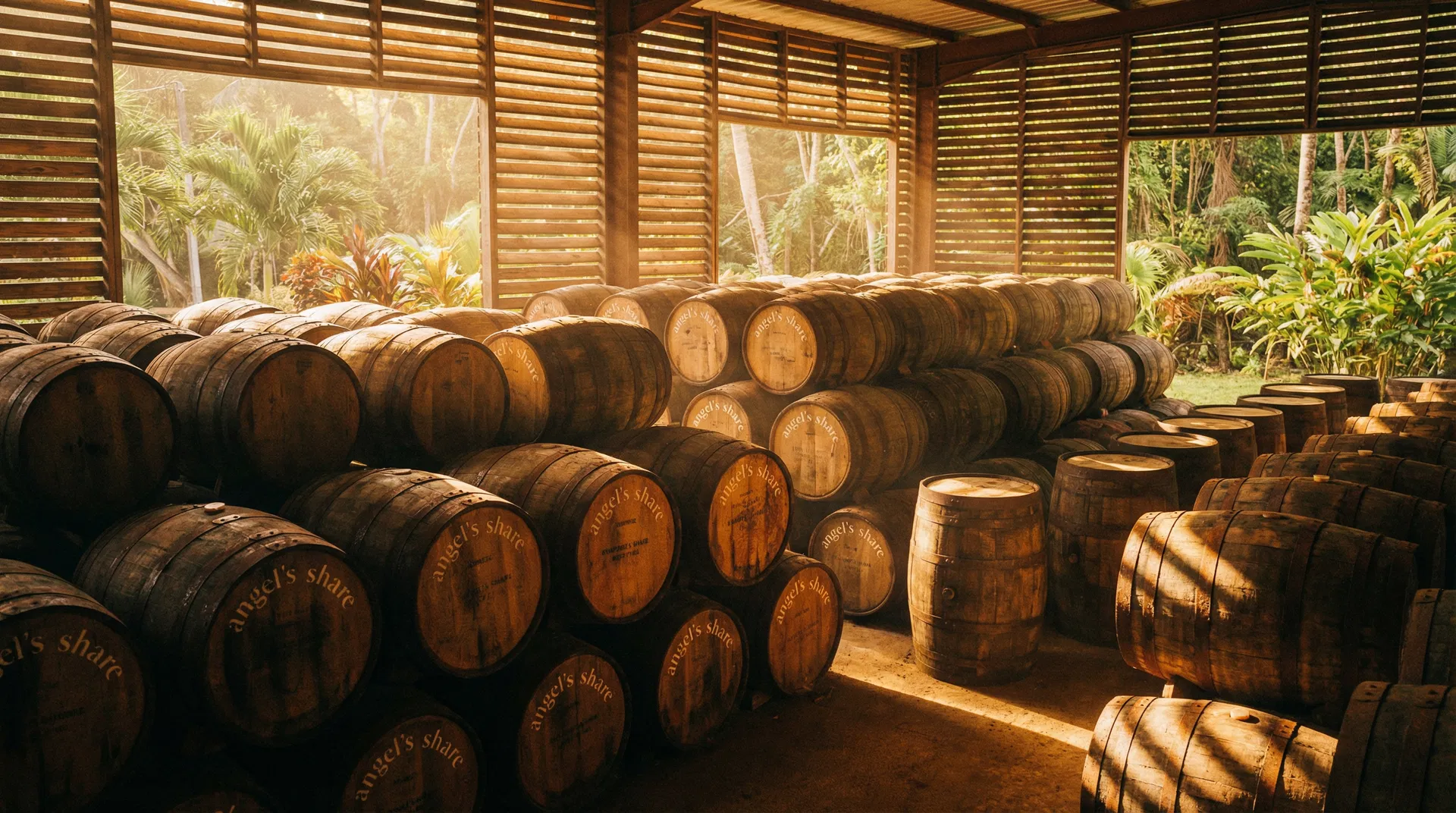
This hypothetical example illustrates the compelling returns that can be generated from a successful rum investment. It is important to note, however, that these returns are not guaranteed. The market for collectible rum is still young and can be volatile. The key to success is to focus on high-quality, limited-edition releases from reputable producers, and to be prepared to hold them for the long term. The table also highlights the importance of factoring in transaction costs, such as buyer’s premiums and seller’s commissions, which can significantly impact the net return. It’s also worth noting that the ‘angel’s share’ – the portion of spirit that evaporates from the cask during aging – is much higher in the tropical climate of the Caribbean than in cooler climates. This natural scarcity contributes to the rarity and, therefore, the value of tropically aged rums. While this doesn’t directly impact the unit economics of a bottled product, it is a fundamental factor in the underlying value of the asset class.
VIII. Macroeconomic Sensitivity
Like all alternative assets, the market for collectible rum is not immune to the broader macroeconomic environment. However, its unique characteristics as a tangible, consumable, and finite asset mean that it can perform differently from traditional financial assets across various economic regimes. Understanding this sensitivity is crucial for any investor looking to add rum to their portfolio.
| Regime | Impact | Historical Example |
|---|---|---|
| High Growth, Low Inflation (Goldilocks) | Positive | In a booming economy with stable prices, consumer confidence is high, and discretionary spending on luxury goods and collectibles increases. The period from 2015-2019 saw strong growth in the collectible spirits market, as a growing number of high-net-worth individuals sought out new and interesting asset classes. |
| High Growth, High Inflation (Overheating) | Positive | When the economy is running hot and inflation is on the rise, tangible assets with a finite supply, such as rare rum, are often seen as an attractive hedge against currency debasement. The post-pandemic boom of 2021-2022 saw a surge in prices for many collectibles, including rum, as investors sought to protect their wealth from rising inflation. |
| Low Growth, Low Inflation (Stagnation) | Neutral to Positive | In a low-growth, low-yield environment, the hunt for returns can lead investors to consider a wider range of alternative assets. While a stagnant economy may dampen consumer demand at the lower end of the market, the top end of the market, driven by wealthy collectors, is often more resilient. The period following the 2008 financial crisis saw a flight to quality in many asset classes, and the top end of the art and wine markets remained surprisingly robust. A similar dynamic could play out in the rum market. |
| Low Growth, High Inflation (Stagflation) | Neutral to Positive | This is the most challenging environment for traditional financial assets, but it can be a positive one for tangible assets. In a stagflationary environment, the store-of-value characteristics of rare rum come to the fore. As with the 1970s, when gold and other commodities performed well, investors may turn to collectibles as a way to preserve their purchasing power. The finite supply of rare rum makes it a particularly attractive option in this scenario. |
In summary, the market for collectible rum appears to be surprisingly resilient across a range of macroeconomic environments. Its dual nature as both a luxury consumer good and a tangible store of value means that it can benefit from both strong economic growth and periods of economic uncertainty. This is a key part of its appeal as a diversifying asset in a well-rounded investment portfolio.
IX. Tax Considerations: A Global Overview
The tax treatment of gains from collectible rum can vary significantly from one jurisdiction to another. This is a complex area of law, and it is essential to seek professional advice. However, the following table provides a general overview of the tax landscape in several key markets.
| Jurisdiction | Tax Treatment of Collectibles |
|---|---|
| United States | Gains on collectibles held for more than one year are taxed at a maximum federal rate of 28%. This is higher than the long-term capital gains rate for most other assets. Gains on collectibles held for one year or less are taxed as ordinary income. |
| United Kingdom | Capital Gains Tax (CGT) is payable on gains from the sale of personal possessions, including rum, if the sale price is £6,000 or more. The rate of CGT is 10% for basic rate taxpayers and 20% for higher rate taxpayers. There is an annual exemption of £3,000 (for 2024/25). |
| European Union | The tax treatment of collectibles varies by member state. In general, gains are subject to capital gains tax at the prevailing national rate. The sale of investment-grade rum may also be subject to Value Added Tax (VAT), which can range from 15% to 27%, depending on the country. |
| Singapore | There is no capital gains tax in Singapore. This makes it a highly attractive jurisdiction for investors in collectibles. |
| United Arab Emirates | There is no personal income tax or capital gains tax in the UAE. This makes it another highly attractive jurisdiction for investors in collectibles. |
| Australia | Capital Gains Tax (CGT) is payable on gains from collectibles if the purchase price was more than $500. If the asset is held for more than one year, a 50% discount on the capital gain may be available. The remaining gain is then taxed at the individual's marginal income tax rate. |
Disclaimer: This information is for general guidance only and does not constitute tax advice. Investors should consult with a qualified tax professional in their jurisdiction to understand the specific tax implications of investing in collectible rum.
X. Case Studies
To bring the investment potential of collectible rum to life, let’s examine a few real-world case studies. These examples highlight the remarkable returns that have been achieved by investing in the right bottles at the right time.
Case Study 1: Foursquare Exceptional Cask Selection "Dominus"
- •The Bottle: Foursquare ECS “Dominus” was released in 2018 as the tenth release in the highly acclaimed Exceptional Cask Selection series. It is a blend of three rums, aged for 10 years in ex-bourbon and ex-cognac casks.
- •Initial Price: When it was released in 2018, Dominus retailed for approximately £60 in the UK market.
- •Current Value: By late 2020, just two years after its release, bottles of Dominus were selling at auction for £190, representing a return of over 215%. Today, in 2026, it is not uncommon to see this bottle trade for over £300.
- •The Takeaway: This case study demonstrates the rapid appreciation that can be achieved with Foursquare’s limited-edition releases. The combination of high quality, limited supply, and the growing reputation of the distillery has created a powerful engine for price growth.
Case Study 2: Hampden Estate 1990
- •The Bottle: This is a vintage rum from the legendary Hampden Estate in Jamaica, distilled in 1990 and bottled in 2021 by the independent bottler Rum Artesanal. It is a prime example of a high-ester, pot-still Jamaican rum with significant age.
- •Auction Result: In June 2025, a bottle of this rum sold at auction for €310.
- •The Takeaway: This case study highlights the value that collectors place on aged, vintage rums from iconic distilleries. The fact that this was an independent bottling also demonstrates the important role that bottlers play in unearthing and bringing to market rare and interesting rums.
Case Study 3: The Legend of Caroni
- •The Bottles: The rums from the closed Caroni distillery in Trinidad are in a league of their own. The bottlings released by Velier, in particular, have become the holy grail for many rum collectors.
- •Price Appreciation: A bottle of Caroni 1983, a 25-year-old rum released by Velier in 2008, would have retailed for around €100 upon release. Today, that same bottle would be worth well over €2,000 at auction, a staggering 1900% return.
- •The Takeaway: Caroni is the ultimate example of the “ghost distillery” effect. The finite supply, combined with the unique and powerful flavor profile of the rum, has created a speculative frenzy that has driven prices to unprecedented levels. While it is unlikely that we will see another Caroni, its story serves as a powerful reminder of the potential rewards of investing in rare and discontinued spirits.
XI. The Core Constraint
Despite the bullish outlook and the powerful demand drivers, the collectible rum market faces one significant structural challenge that could limit its long-term growth potential: the lack of a globally recognized and legally enforced system of classification and regulation.
In the world of fine wine, for example, the French Appellation d’Origine Contrôlée (AOC) system provides a clear and legally binding framework for defining the origin, production methods, and quality standards of a given wine. This gives consumers and investors a high degree of confidence that they are buying a genuine and high-quality product. Similarly, the Scotch Whisky Association has strict regulations governing the production and labeling of Scotch whisky, including the all-important age statement.
Rum, by contrast, is a bit of a wild west. While some regions, such as Martinique with its AOC for rhum agricole, have established their own strict rules, there is no overarching global framework. This has led to a number of problems that undermine consumer confidence and create a barrier to entry for new investors:
- •The Age Statement Game: As discussed earlier, the lack of a consistent and legally enforced definition of an age statement is a major source of confusion and deception.
- •Additives: Many mass-market rums contain added sugar, flavorings, and colorings, which are often not disclosed on the label. This can make it difficult for consumers to know what they are actually drinking.
- •Misleading Geographical Indications: Some brands use geographical terms on their labels that are not reflective of the rum’s true origin.
However, there are signs of progress. A growing movement of producers, led by figures like Richard Seale of Foursquare, is advocating for greater transparency and the adoption of stricter standards. They are championing the use of clear and honest labeling, and they are educating consumers about the importance of understanding what is in their bottle. Organizations like the West Indies Rum and Spirits Producers’ Association (WIRSPA) are also working to promote and protect the heritage of Caribbean rum through initiatives like the Authentic Caribbean Rum (ACR) marque. While these efforts are a step in the right direction, the industry as a whole remains fragmented and resistant to change. Until the industry can come together to establish a clear and enforceable set of rules, the collectible rum market will struggle to achieve the same level of mainstream acceptance and investment as its more regulated counterparts.
XII. Inside the Asset
To truly understand a collectible rum, you have to get up close and personal. Let’s take a virtual tour of a bottle of Hampden Estate Great House 2022, a recent release from the iconic Jamaican distillery. This isn’t just a bottle of alcohol; it’s a time capsule, a sensory experience, and a piece of liquid history.
The bottle itself is a statement. It’s a heavy, substantial piece of glass, with a classic, old-world design that speaks to the distillery’s long and storied history. The label is a treasure trove of information, a testament to Hampden’s commitment to transparency. It tells you the vintage (2022), the marque (Great House), the ABV (a robust 57%), and, most importantly, that it is a “Pure Single Jamaican Rum,” a term that signifies that it was distilled at a single distillery in a pot still.
Upon opening the bottle, the air is filled with an explosion of aromas. This is the famous Jamaican “funk,” a complex and intoxicating blend of overripe tropical fruits, industrial notes of varnish and glue, and a deep, earthy sweetness. It’s a smell that is both challenging and utterly captivating, a world away from the simple, sweet aromas of a mass-market rum.
Pouring a dram into a glass, you can see the color: a deep, rich amber, the result of years of aging in the tropical heat of Jamaica. There are no artificial colorings here; this is the natural color of the rum, a visual representation of its time in the barrel.
The first sip is an experience. The high ABV provides a powerful kick, but it is quickly followed by a wave of complex flavors. The overripe banana and pineapple notes are there, but they are balanced by a savory, almost briny quality, and a deep, oaky spice. The finish is incredibly long, with the flavors evolving and changing on the palate for minutes after the last sip.
This is not a rum for the faint of heart. It is a bold, uncompromising, and deeply complex spirit that demands your full attention. It is a rum that tells a story, a story of a place, a tradition, and a commitment to a certain way of doing things. This is what you are buying when you invest in a bottle of collectible rum: not just a drink, but an experience, a piece of art, and a taste of history.
XIII. The Central Dilemma
Every investor in a consumable collectible, whether it’s fine wine, rare whisky, or aged rum, faces a fundamental and deeply personal dilemma: to drink or to collect? This is the central tension that defines the experience of owning these liquid assets. On the one hand, you possess a bottle of rare and exquisite liquid, crafted with skill and aged with patience, designed to be opened and savored. On the other hand, you hold a tangible asset, an investment that may be appreciating in value with each passing day. To open the bottle is to realize its intended purpose but destroy its investment value. To keep it sealed is to preserve the investment but deny the experience.
This dilemma is particularly acute in the world of rum. The community of serious rum collectors is still relatively small, close-knit, and passionate. The culture is one of sharing, tasting, and communal discovery. There is an immense pleasure to be had in opening a rare bottle of Hampden or Foursquare with a group of fellow enthusiasts, to debate its nuances, and to share in the collective experience. This social and experiential aspect of rum collecting is a huge part of its appeal, but it is fundamentally at odds with the cold, hard logic of investment.
Unlike a painting or a sculpture, which can be enjoyed visually without diminishing its value, a bottle of rum can only be truly experienced once. This creates a constant internal negotiation for the collector. Do you cash in on your investment, or do you cash in on the experience? There is no right answer, and every collector must find their own balance. Some choose to adopt a “one to drink, one to keep” policy, buying two bottles of every new release. Others set a specific value threshold, vowing to sell any bottle that appreciates beyond a certain point. And some, the true purists, simply collect for the love of the spirit, with no intention of ever selling.
Ultimately, the central dilemma of rum investing is a reflection of its dual nature. It is both a financial asset and a cultural artifact, a store of value and a source of pleasure. How you navigate this tension will define your journey as a rum investor.
XIV. The Next Frontier
The collectible rum market is still in its early innings, and the next decade promises to be a period of significant evolution and growth. Several emerging trends and opportunities are poised to shape the future of this exciting asset class.
The Rise of New Terroirs: While the Caribbean will always be the heartland of rum, a growing number of high-quality distilleries are emerging in other parts of the world. From the innovative producers in the United States and Australia to the traditional distillers of Southeast Asia, a new wave of “world rums” is beginning to capture the attention of connoisseurs. As these distilleries mature and release older expressions, they have the potential to challenge the dominance of the Caribbean and create new and exciting opportunities for collectors.
The Independent Bottler Renaissance: Independent bottlers have always played a crucial role in the world of spirits, and they are becoming increasingly important in the rum market. Companies like Velier, Habitation Velier, and The Whisky Exchange are unearthing rare and interesting casks from a wide range of distilleries and bringing them to market. These bottlings often offer a unique and unadulterated expression of a distillery’s character, and they are becoming increasingly sought-after by collectors.
The Digital Transformation: Technology is transforming every aspect of the rum market. Online platforms like RumX are creating a more transparent and efficient secondary market, while social media is allowing a new generation of rum enthusiasts to connect, share information, and discover new brands. In the future, we can expect to see the emergence of new technologies, such as blockchain-based authentication and fractional ownership platforms, that will further democratize the market and make it more accessible to a wider range of investors.
The Quest for the Next Caroni: The story of Caroni has inspired a generation of collectors to search for the next “ghost” distillery. While it is unlikely that we will see another Caroni, the hunt for rare and discontinued rums is sure to continue. This could lead to a re-evaluation of other closed distilleries, or to a greater appreciation for the rare and limited releases from existing producers.
XV. Lessons from History
To understand where the collectible rum market might be heading, it is instructive to look at the historical parallels of other collectible asset classes that have followed a similar trajectory. The stories of Japanese whisky and Burgundy wine, in particular, offer valuable lessons for the aspiring rum investor.
The Japanese Whisky Boom (and Bust?)
In the early 2000s, Japanese whisky was a niche category, little known outside of Japan. A series of high-profile awards, combined with a growing appreciation for its quality and craftsmanship, led to a surge in global demand. This, combined with a chronic shortage of aged stock (due to a period of low demand in the 1980s and 90s), created a perfect storm for a speculative boom. Prices for rare and aged Japanese whiskies, particularly from the closed distillery Karuizawa, skyrocketed. A bottle of Karuizawa 1960, for example, sold for a record-breaking $435,273 in 2020.
However, the boom has not been without its challenges. The sky-high prices have led to a backlash from some consumers, and there are signs that the market may be entering a period of correction. The lesson for rum investors is twofold: first, it demonstrates the explosive potential of a niche category when it captures the global imagination; second, it serves as a cautionary tale about the dangers of speculative bubbles and the importance of a sustainable and long-term approach to investing.
The Cult of Burgundy
The market for fine Burgundy wine offers another compelling parallel. For centuries, Burgundy was a relatively sleepy region, overshadowed by its more famous neighbor, Bordeaux. However, a growing appreciation for its terroir-driven, small-production wines, combined with the rise of a new generation of passionate and influential winemakers, led to a dramatic increase in demand. Today, the top wines of Burgundy, such as those from Domaine de la Romanée-Conti, are among the most expensive and sought-after wines in the world.
The story of Burgundy highlights the importance of scarcity, quality, and a strong sense of place in driving long-term value. The region’s fragmented ownership structure, with thousands of small growers, is also analogous to the diverse and fragmented nature of the rum industry. The lesson for rum investors is that a focus on the top producers from the best terroirs is likely to be the most rewarding strategy in the long run.
In both of these cases, we see a similar pattern: a niche and undervalued category, a surge in global demand driven by a new wave of connoisseurship, and a dramatic increase in prices fueled by scarcity. The collectible rum market appears to be following a similar script, and for those who have studied the lessons of history, the next chapter promises to be a very interesting one indeed.
XVI. The Risks
No investment is without risk, and the collectible rum market is no exception. While the potential rewards are significant, it is crucial to be aware of the potential pitfalls before diving in.
- •Forgery and Fraud: As with any valuable collectible, the risk of forgery is ever-present. Unscrupulous sellers may try to pass off counterfeit bottles as the real thing, or refill genuine bottles with inferior liquid. It is essential to buy from reputable sources and to do your due diligence to verify the authenticity of any bottle you are considering.
- •Lack of Regulation: As discussed earlier, the lack of a globally recognized and legally enforced system of classification and regulation is a major risk for the rum market. This can make it difficult to verify the age, origin, and quality of a given rum, and it creates a fertile ground for misleading marketing and outright fraud.
- •Volatility and Illiquidity: The collectible rum market is still relatively small and can be volatile. Prices can fluctuate significantly, and there is no guarantee that a bottle will appreciate in value. It is also a highly illiquid market. It can take time to find a buyer for a rare bottle, and transaction costs can be high.
- •Storage and Insurance: Collectible rum must be stored properly to protect it from damage. This means keeping it in a cool, dark place, away from direct sunlight and extreme temperatures. It is also essential to have adequate insurance to protect your collection against theft, fire, and other unforeseen events.
- •The “Black Swan” Event: The world of collectibles is not immune to unforeseen events that can have a major impact on the market. A change in tax laws, a shift in consumer tastes, or a global economic downturn could all have a negative impact on the value of your collection. It is important to be aware of these risks and to have a diversified portfolio that is not overly reliant on a single asset class.
XVII. The Alternative Fortune Verdict
The collectible rum market is at a fascinating inflection point. After decades in the shadow of its more famous Scottish cousin, aged rum is finally beginning to get the recognition it deserves. A new generation of discerning consumers and savvy investors is discovering the complexity, diversity, and investment potential of this historic spirit. The combination of a growing connoisseurship culture, the emergence of a transparent secondary market, and the powerful allure of the “ghost” distillery has created a powerful tailwind that is driving the market forward.
However, this is not a market for the faint of heart. The lack of regulation, the risk of fraud, and the inherent volatility of a young and emerging market all require a high degree of diligence and a long-term perspective. This is not a get-rich-quick scheme; it is a long-term investment in a tangible and finite asset.
For those who are willing to do the work, to educate themselves on the nuances of the market, and to focus on the highest quality producers, the potential rewards are significant. The collectible rum market offers a rare opportunity to get in on the ground floor of a trend with the potential for explosive growth. It is a chance to own a piece of history, a work of liquid art, and a tangible asset that has the potential to deliver both significant financial returns and a lifetime of sensory pleasure.
Before you dive in, here are a few key due diligence questions to ask yourself:
- •Do I understand the difference between pot and column still, and why it matters?
- •Can I spot a misleading age statement from a mile away?
- •Do I know the key distilleries and independent bottlers to watch?
- •Am I prepared to hold my investments for the long term, even in the face of volatility?
- •And, most importantly, am I prepared to face the central dilemma: to drink or to collect?
If you can answer these questions with confidence, then the world of collectible rum may just be the next great adventure in your investment journey.